
![[ai_client_name]](https://joycerey.com/app/themes/joycereycom_2024/assets/images/site-logo-white.svg)
Answering Your FAQs on The 2025 California Building Standards Taking Effect in 2026

The updated building code will affect design decisions, construction planning, and permitting.
California’s 2025 Building Code took effect in January 2026 and is already influencing how Beverly Hills homes are built, renovated, and evaluated. While the updates may seem technical, they’re shaping decisions around design, construction planning, and long-term value.
This blog post answers the most common questions on what’s changed, why it matters, and how Beverly Hills owners and advisors should plan for 2026 and beyond.
Table of Contents:
THE BASICS: TITLE 24 AT A GLANCE
Title 24 is California’s framework for how buildings are designed, built, and renovated. For Beverly Hills owners and buyers, understanding the basics of Title 24 helps put the rest of the updates into context.
-
What is “Title 24” and what’s changing on Jan 1, 2026?
“Title 24” is the industry shorthand for California’s Building Standards Code—the rules that shape how homes are designed, built, and renovated statewide. The California building code is updated every three years, and each cycle reflects where the state is headed on safety, energy use, and long-term resilience.
The 2025 update, which took effect January 1, 2026, continues California’s push toward lower-energy, lower-emission buildings. These changes primarily focus on energy efficiency, electrification, fire safety, and how projects are approved.
-
Do the new codes apply to my project if I already filed for a permit?
Usually, no. Projects with a permit application that was submitted—and deemed complete—before January 1, 2026 are typically reviewed under the previous (2022) code cycle.
That said, timing still matters. If an application was delayed, revised, or resubmitted after the effective date, some parts of the project may fall under the new California building standards. This tends to come up most often with large custom homes, phased builds, or projects still evolving during plan review.
-
Can Beverly Hills add stricter local rules on top of the state code?
Yes. California sets the baseline, but cities like Beverly Hills can adopt stricter local rules when they’re justified by local conditions such as wildfire risk, hillside development, or seismic concerns.
Beverly Hills has used this authority selectively, most often in areas tied to fire safety, hillside construction, and sustainability. As a result, a project can meet state Title 24 requirements and still be subject to additional city-level review or standards.
BUILDING AND RESIDENTIAL CODES (PARTS 2 AND 2.5 OF TITLE 24)
The Building and Residential Codes cover structural design, fire safety, egress, and overall building integrity.
-
What is Chapter 7A (WUI), and does it apply to my Beverly Hills property?
Chapter 7A covers homes built in wildfire-risk areas, known as Wildland–Urban Interface (WUI) zones. The goal is to reduce the risk of fire spreading to a home from embers or nearby vegetation.
Whether it applies depends on the property’s location. Not every Beverly Hills address is in a WUI zone, but hillside lots or properties near brush areas are more likely to be affected. When applicable, Chapter 7A influences exterior materials, vents, eaves, decks, and similar features.
-
Which exterior materials and vent details reduce wildfire risk while keeping design elegant?
Fire-rated materials nowadays don’t have to look industrial. With the right material choices, wildfire protection can work seamlessly with luxury architecture. High-end homes often use:
- Fire-rated or treated wood products that keep a warm, natural look
- Non-combustible materials like stone, masonry, metal, or refined fiber cement
- Ember-resistant vents with low-profile, discreet designs
- Protected eaves and soffits that maintain clean rooflines
-
Are there glass/glazing or egress changes that impact custom detailing?
In some cases, yes. Fire and safety rules can affect window and door glazing, especially in higher-risk areas. This may call for tempered or fire-resistant glass and stronger framing systems.
Egress requirements haven’t changed significantly, but they can influence window size, sill height, and hardware. For homes with large glass walls or custom steel systems, early coordination helps ensure code compliance without altering the overall design.
-
Where do accessibility segments (11A/11B) apply?
Accessibility requirements depend on the type of property. Chapter 11A generally applies to multifamily housing and some mixed-use residential projects, while Chapter 11B applies to commercial spaces and public areas.
Most single-family homes in Beverly Hills are not affected. However, multifamily buildings and projects with public-facing amenities and commercial components must meet accessibility rules, which can influence entries, circulation, hardware, and unit layouts.

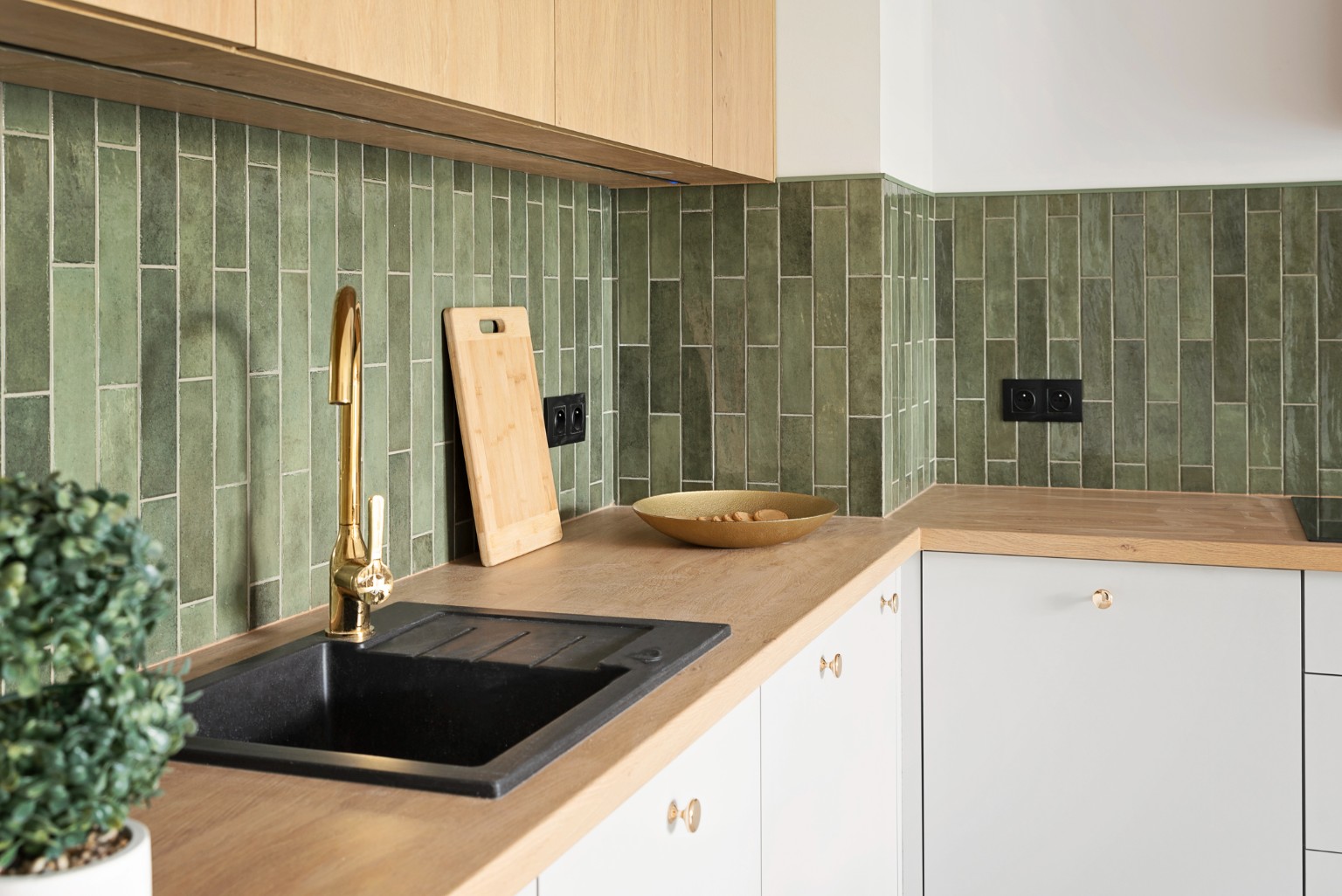
Fire-rated or treated wood products can maintain a warm, natural look.
-
Will “special instructions” or structural refinements change my construction timeline?
Sometimes. As California’s building standards continue to focus on performance, plan review may include additional instructions related to structural details, inspections, materials, or sequencing. These don’t usually change the build itself, but they can add extra steps to the schedule. On larger or custom homes—especially hillside or fire-zone projects—structural refinements may extend review time or require more documentation.
ENERGY CODE (PART 6 OF TITLE 24)
The Energy Code mainly affects what’s happening behind the walls and how a home uses energy. It sets requirements for systems like heating and cooling, insulation, windows, lighting, and solar.
-
Will I need heat pumps for heating and hot water under the new standards?
In many cases, yes—especially for new construction. California’s 2025 building standards continue the push toward electrification, making electric heat pumps the most common way to meet code for heating and hot water.
It’s not an absolute requirement in every situation, but alternatives now face stricter efficiency and emissions rules. For luxury homes, heat pumps are often designed to be quiet, highly zoned, and comfortable without compromising performance.
-
Which envelope upgrades (windows, insulation, air sealing) save the most energy while preserving aesthetics?
The biggest energy gains usually come from upgrades you don’t see once they’re installed:
- High-performance windows that improve insulation without changing frame profiles or sightlines
- Better insulation strategies that boost efficiency while preserving exterior proportions and interior space
- Improved air sealing that reduces drafts and improves comfort without any design impact
In a Beverly Hills home, where custom detailing matters, these upgrades help meet higher performance standards while keeping the look and quality intact.
-
How do new lighting and control requirements affect luxury interiors?
The updated California building standards focus on energy-efficient lighting with better controls, including dimming, zoning, and sensors in certain areas. For luxury homes, this usually isn’t a limitation. High-end lighting already uses layered fixtures and scene controls. The main change is that systems now need to show how those controls work—not just which fixtures are installed.
-
Is solar and battery “required,” or just “ready to install”?
For most new homes, solar photovoltaic systems are required, not optional. Battery storage usually isn’t required statewide, but many projects must often be designed to accommodate future energy storage.
Local rules can go further. Some cities require battery-ready infrastructure or strongly encourage storage as part of resilience planning.
FIRE CODE (PART 9 OF TITLE 24)
The Fire Code focuses on protecting people and property from fire risk. It governs items like fire access, sprinklers, alarms, emergency power, and site planning.
-
When are sprinklers required in luxury homes and guest houses?
Sprinklers are required in most new single-family homes in California—including luxury homes—and typically apply to new guest houses or ADUs as well. Existing homes usually don’t need sprinklers unless the project involves a major rebuild or addition that triggers new-construction requirements under the current code.
In high-end projects, sprinklers are often integrated discreetly, with concealed heads to maintain clean ceilings and architectural detail.
-
How do generators and home batteries interface with fire code safety?
Backup power systems are common in large homes, but they must meet fire-code requirements for placement, ventilation, clearances, and fire separation. Home batteries carry additional safety standards, especially around heat control and emergency access. Depending on size and location, they may require fire-rated enclosures or separation from living spaces.
-
What site planning (access, turning radii, vegetation management) should I expect for large estates?
On larger properties—especially hillside or gated estates—fire-code regulations often affect the site plan as much as the house itself. This can include:
- Adequate access roads and turning space for fire vehicles
- Driveways and gates sized for emergency access
- Vegetation management and defensible space near buildings
- Water supply and hydrant access for larger homes
These items are reviewed during permitting and can shape driveway layout, landscaping, and gate design. On luxury estates, they’re usually addressed through careful planning rather than visible design changes.
CALGreen (Part 11 of Title 24)
CALGreen—California’s Green Building Standards Code—sets the baseline for sustainability in new construction and major renovations. While it’s often discussed in broad environmental terms, CALGreen’s impact shapes material choices, energy and water use, construction methods, and required documentation.
-
Are there new rules around embodied carbon and low-emitting materials?
Yes. One of the bigger changes in the 2025 CALGreen update is the emphasis on embodied carbon. These are the greenhouse gas emissions tied to the building materials themselves, not just how a home operates once it’s finished.
In practice, this puts more attention on material choices like concrete, steel, insulation, finishes, and sealants. The code expands low-emitting material requirements and adds clearer ways to document, and in some cases reduce, material-related emissions.
Many new homes must be designed to support future EV charging.
-
What’s required for EV-charging readiness in single-family and multifamily?
CALGreen continues to raise the bar on electric vehicle infrastructure, in line with California’s broader transportation goals. For single-family homes, new construction generally needs to be EV-capable or EV-ready, meaning the electrical capacity, conduit, and panel space are in place even if a charger isn’t installed right away.
Multifamily projects face more detailed requirements. Depending on the size and layout, a set percentage of parking spaces must be EV-capable, EV-ready, or fully equipped with chargers. That makes electrical load planning and future scalability part of the early design conversation.
-
How do water-efficiency and construction-waste measures show up in a high-end build?
CALGreen’s water-efficiency rules go beyond fixtures. They affect irrigation, landscaping, and sometimes plumbing layout. High-end homes often already meet these California building standards, but proper documentation—especially for outdoor water use and smart irrigation—still matters.
Construction-waste rules require a plan to divert a portion of debris through recycling or reuse. On luxury projects, this is usually handled by the general contractor, although material choices, demolition methods, and site logistics all play a role.
-
What documentation will I need to prove CALGreen compliance?
CALGreen compliance is mostly about documentation. Depending on the project, this can include:
- Product cut sheets and manufacturer certifications
- Low-emitting materials declarations
- EV-readiness and electrical plans
- Water-efficiency and irrigation documentation
- Construction waste reports
- Signed CALGreen checklists at permit and final inspection
Larger or more complex projects may also require third-party verification. While much of this is handled by the project team, owners and advisors should expect CALGreen to be a formal part of both permitting and project close-out—not something addressed at the very end.

PERMITS, INSPECTIONS, AND PAPERWORK
California’s current building standards come with more documentation and oversight than in the past. Permits, inspections, and required paperwork are now integral to verifying performance and safety. For Beverly Hills projects, understanding these steps early helps avoid delays and keeps construction moving smoothly.
-
Which compliance forms must be submitted at plan check?
At plan check, most projects must submit forms showing compliance with energy, green building, and safety codes. This typically includes Title 24 energy forms, CALGreen checklists, and any required fire, WUI, or accessibility documents. For high-end homes, these are typically prepared by the design team or energy consultant and submitted with the plans.
-
What inspections should I plan for?
In addition to California’s standard building inspections, expect added checks related to energy performance and safety. These may include inspections for insulation, air and duct sealing, fire-rated construction, EV wiring, solar systems, and sprinklers.
Some projects also require third-party testing, especially for energy or ventilation systems. While these inspections don’t usually slow construction, they do need to be scheduled properly.
-
How does sequencing change with performance testing or documentation requirements?
Performance-based codes push some decisions earlier in the build. Mechanical systems, insulation details, and lighting controls often need to be finalized sooner to meet documentation requirements. Certain tests—such as air-leakage testing or system commissioning—must happen at defined stages, so some work cannot proceed until those checks are complete.
-
Which records should I keep (as-builts, product data, test results) to protect valuation and resale?
Well-documented homes hold their value better. For Beverly Hills properties, maintaining these records support resale, insurance, refinancing, and long-term ownership—and they’re increasingly viewed as part of the home’s asset profile. Owners should retain:
- As-built drawings showing final conditions
- Product information and certifications for major systems
- Energy and CALGreen compliance documents
- Test results and any third-party verification
- Warranties and maintenance records
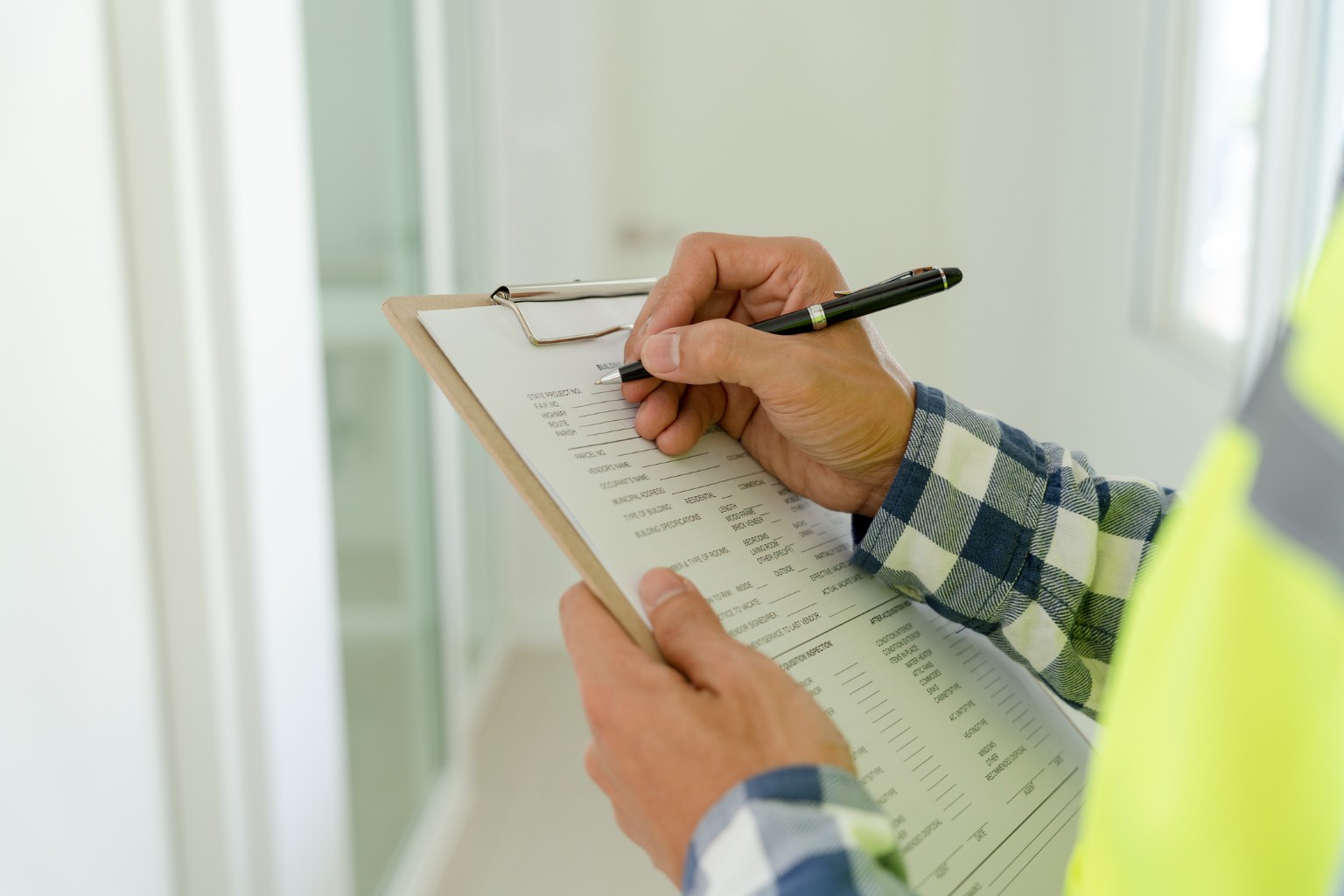
Expect more inspections under today’s codes. That’s why planning for them early helps avoid delays.
GET EXPERT GUIDANCE TODAY
California’s 2025 building standards don’t change what makes a great Beverly Hills home—but they do influence how homes are now planned, permitted, and built. For owners, buyers, and advisors, the advantage lies in knowing where the rules apply, where flexibility remains, and how early planning helps avoid costly delays.
When you’re dealing with high-value properties in Beverly Hills, you need someone who really understands how zoning, design, and market value all work together. I’ve spent decades helping clients navigate these complexities by making sure they see the full picture before they invest.
To learn more about how the California building standards may affect your next move, get in touch with me—Joyce Rey—at 310.291.6646 or email me today.


Browse our latest news and updates below