
![[ai_client_name]](https://joycerey.com/app/themes/joycereycom_2024/assets/images/site-logo-white.svg)
Beyond the Glamour: Beverly Hills as a Cultural Capital
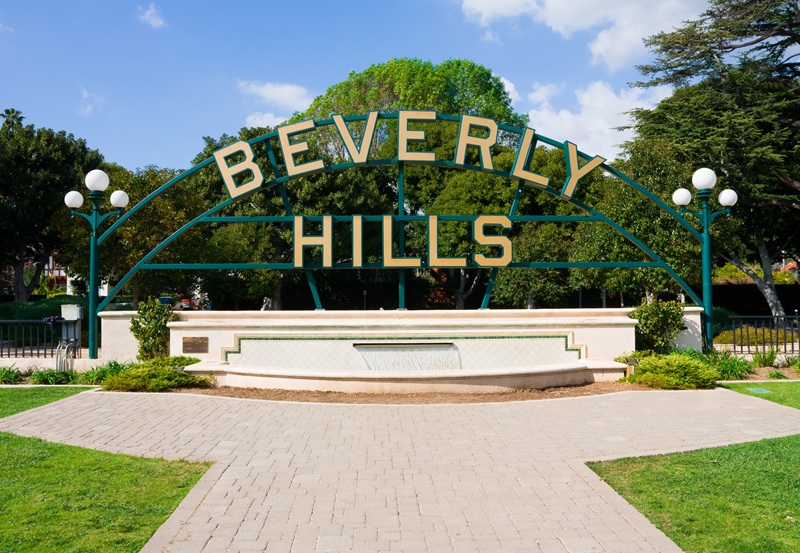
Beverly Hills is a living cultural capital shaped by architecture, creativity, and tradition.
Luxury may shape the first impression of Beverly Hills, but the culture is what gives it weight. From historic estates and modern architecture to respected galleries and creative communities connected to fashion and film, Beverly Hills is more than a destination. It is a living cultural capital.
Table of Contents:
- Noteworthy Insights From Joyce
- Historic Foundations of Beverly Hills Culture
- Iconic Architecture and Design as Cultural Expression
- Arts, Entertainment, and Creative Influence
- Hospitality, Dining, and Social Traditions
- Events, Festivals, and Ongoing Cultural Relevance
- Why Cultural Capital Matters in Luxury Living
- Frequently Asked Questions
- Where Culture and Home Meet
Here’s what that means for those who choose to call it home.
|
HISTORIC FOUNDATIONS OF BEVERLY HILLS CULTURE
Beverly Hills didn’t become what it is overnight. From the beginning, the city was guided by intentional planning, creative newcomers, and a social code that valued influence without excess.
Early development
Modern Beverly Hills began to take shape in the early 1900s when developer Burton Green launched the subdivision in 1907 and when the city officially incorporated in 1914. A major turning point came with the opening of The Beverly Hills Hotel on May 12, 1912, which was built to attract visitors and homebuyers to what was then a growing community between Los Angeles and the coast.
As Hollywood expanded, Beverly Hills became a natural retreat for film industry figures seeking privacy away from studio life. When Mary Pickford and Douglas Fairbanks built Pickfair in 1919, it signaled that Beverly Hills had become a preferred address for some of the entertainment industry’s most influential names.
Architectural legacy
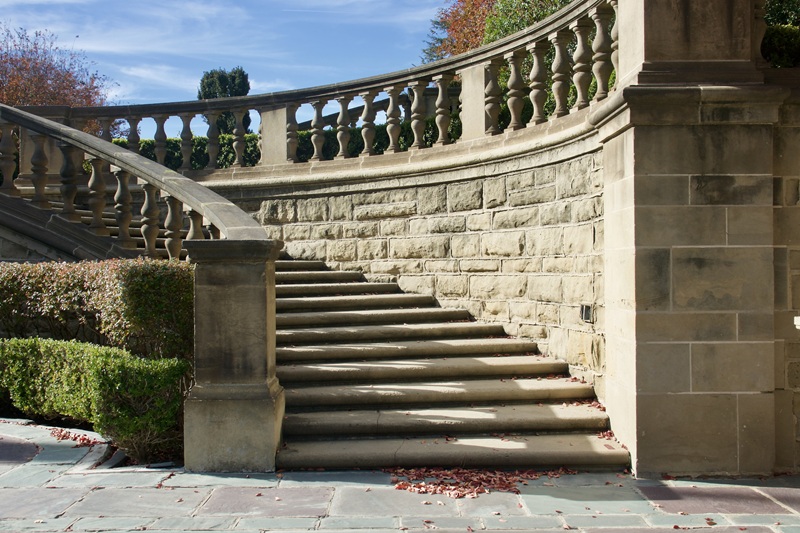
The grand stone staircases at Greystone Mansion, one of Beverly Hills’ most iconic landmarks, are among its most striking features.
If Hollywood brought the people, the architecture gave the city its look and feel. Early homes often drew from Old World styles that suited Southern California’s climate, including Spanish Colonial Revival and Mediterranean Revival (alongside other revival styles that conveyed elegance and permanence).
The Beverly Hills Hotel, designed by architect Elmer Grey, is a well-known example of Mediterranean Revival architecture and showed that design would be central to the city’s character.
Another was Greystone Mansion, which was completed in 1928 for Ned Doheny and designed by Gordon B. Kaufmann. Although it was built in the Tudor Revival style, its scale, craftsmanship, and formal gardens helped define what a landmark Beverly Hills estate could be. When the city purchased the property in 1965 and opened it to the public, it transformed a private residence into a shared cultural space that remains part of life in Beverly Hills.
Social norms and lifestyle
Beverly Hills grew into a community that valued discretion and composure, especially as well-known residents looked for elegance without constant attention. Local institutions helped set that tone. The Beverly Hills Women’s Club, founded in 1916 with its clubhouse completed in 1925, shows how civic and social life became part of the city’s identity early on.
Even public spaces reflected this mindset. Beverly Gardens Park, included in the city’s early master plan, was designed with beauty in mind. It also reinforced the idea that thoughtful design was an essential part of daily life and not an afterthought.
ICONIC ARCHITECTURE AND DESIGN AS CULTURAL EXPRESSION
From thoughtfully designed homes to public landmarks that serve as gathering places, aesthetics have long been a way for Beverly Hills to express its identity.
Residential estates
Some places are known for their beautiful homes. Beverly Hills is known for having homes with meaning.
Take Trousdale Estates, which is set in the foothills above the city. Developed mainly from the 1950s through the early 1970s, it became a showcase for architect-let custom residences in styles like Mid-Century Modern and Hollywood Regency.
Then there’s The Flats, where the land is level and the streets feel calm and residential, despite being minutes from the Golden Triangle. The appeal of this neighborhood is both practical and aesthetic. It offers more space and convenience, without losing the greenery and quiet order that define this part of Beverly Hills.
Cañon Drive offers something slightly different. While not a traditional neighborhood enclave, it connects residential life with the city’s public spaces. Homes, restaurants, and gathering spots exist side by side, making the city’s design standards and lifestyle visible rather than hidden.
Across all three areas, the theme is consistent. When it comes to living in Beverly Hills, California, a home is rarely just property. It’s an expression of taste, whether that means preserving historic architecture, building a contemporary residence with carefully chosen materials, or creating a home that feels timeless rather than trendy.
Public spaces
While much of Beverly Hills’ style lives behind gates, its public spaces make that aesthetic clear to anyone walking through. More than a luxury shopping street, Rodeo Drive is a walkable display of heritage brands, craftsmanship, and carefully designed storefronts. Its growth is closely tied to Beverly Hills’ early development as a destination and the city even celebrates fashion and design through the Rodeo Drive Walk of Style.
A few blocks away, The Wallis Annenberg Center for the Performing Arts makes that commitment to culture even more visible. Completed in 2013, it combines the restored 1933 Beverly Hills Post Office with a modern performance complex that includes the 500-seat Goldsmith Theater.
ARTS, ENTERTAINMENT, AND CREATIVE INFLUENCE
Creativity in Beverly Hills rarely stays behind closed doors. It finds its way into hotels, storefronts, theaters, and private homes, shaping life in Beverly Hills in visible and subtle ways alike.
Film and television legacy
Beverly Hills has been connected to the entertainment industry for more than a century. As Hollywood grew in the 1910s and 1920s, many film pioneers made their homes here and created a lasting link between the city and the creative world.
That connection continues today. Hotels like The Beverly Hills Hotel and The Beverly Hilton regularly host award-season events, premieres, and industry gatherings. The Beverly Hilton, in particular, has long been home to the Golden Globe Awards.
Historic venues also add to that legacy. The Saban Theatre, which opened in 1930 as the Fox Wilshire Theatre, has hosted premieres, concerts, and performances for decades. Private screening rooms in homes and hotels also carry on the tradition of intimate film viewings tied to Hollywood culture.
Galleries and private collections
As an important part of its cultural ecosystem, fine art remains woven into daily life in Beverly Hills. The city has long supported galleries that show both contemporary and classic works that attract serious collectors and influence local taste.
Galleries in and around Beverly Hills regularly feature modern, postwar, and contemporary artists. Private collections also play a major role. Many homes in Beverly Hills are well-curated with museum-quality pieces displayed alongside carefully designed interiors.
Nearby institutions like the nearby Los Angeles County Museum of Art (LACMA) draw Beverly Hills residents in as more than just visitors, since many sit on philanthropic boards, sponsor exhibitions, or attend private viewings. That relationship between public institution and private collector is a big part of what keeps the region’s art culture alive.
Fashion and design
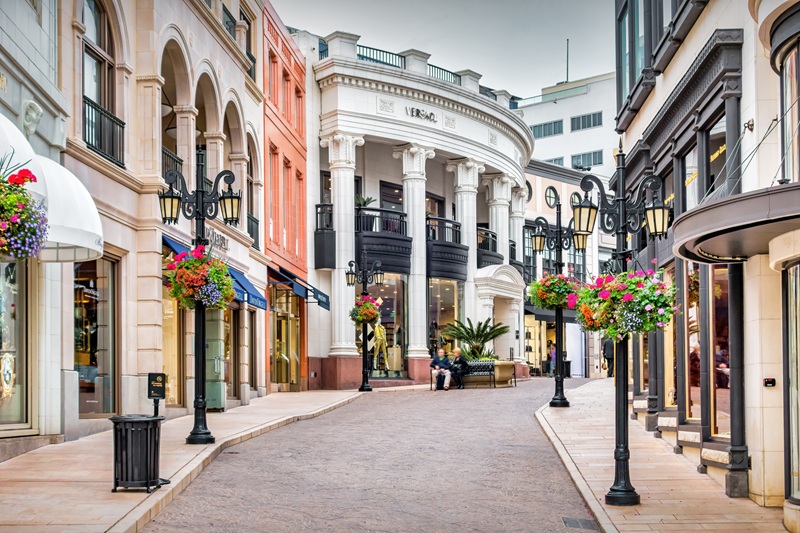
From couture to fine jewelry, Rodeo Drive brings the world’s most storied houses into one setting.
Fashion in Beverly Hills goes beyond retail. It reflects identity, taste, and influence, and it plays a visible role in life in Beverly Hills.
Rodeo Drive is home to flagship boutiques for global houses like Hermès, Chanel, and Cartier. More than retail spaces, these fashion houses have operated for generations by preserving traditions in leatherwork, couture, and fine jewelry. Cartier, for example, has a jewelry legacy dating back to the 19th century and its presence on Rodeo Drive reinforces Beverly Hills’ connection to fine craftsmanship. Hermès and Chanel are similarly rooted in heritage techniques, from hand-stitched goods to couture ateliers.
Apart from these well-known names, Beverly Hills also supports luxury jewelers and specialty designers who continue the tradition of careful, detailed work.
HOSPITALITY, DINING, AND SOCIAL TRADITIONS
One of the reasons why Beverly Hills feels so globally connected is because of its hospitality. Hotels serve as gathering places for the creative world, restaurants double as meeting grounds, and the social calendar balances tradition with modern discretion.
Legendary hotels
Few places capture Beverly Hills’ role as a cultural home base better than its landmark hotels. The Beverly Hills Hotel opened in 1912 (even before the city was incorporated) and quickly became part of Hollywood’s social life. The Polo Lounge became synonymous with deal-making and discreet gatherings while the hotel’s bungalows set a lasting standard for privacy as luxury.
The Peninsula Beverly Hills, which opened in 1991, marked the first new luxury hotel in the city in nearly twenty years.And then there’s Montage Beverly Hills, which opened in November 2008. The property later became The Maybourne Beverly Hills and is now recognized as one of the city’s leading luxury hotels.
Restaurants and culinary influence
Dining in Beverly Hills has always been about more than what’s on the plate. Restaurants here double as meeting grounds, where quiet industry conversations happen over lunch and philanthropy dinners book out months in advance.
Spago Beverly Hills, Wolfgang Puck’s flagship on Canon Drive, has anchored the city’s fine dining scene since 1997. It helped define modern California cuisine by combining seasonal ingredients with upscale service. Over the years, it has become a reliable gathering place for industry leaders, longtime residents, and visitors who understand its place in the city’s social life.
Classic steakhouses have their own place in Beverly Hills’ dining culture. Mastro’s has been a fixture since 2001 and is known for its occasion-driven atmosphere. It’s also the kind of place where the room is part of the experience, and where being seen is understood but never overdone.
Private clubs and social institutions
The city’s private social scene is represented by members-only clubs and invitation-driven gatherings. One recent example is Gravitas, a private members’ club that opened in Beverly Hills in late 2024 and is built around high-end dining, wine culture, and exclusivity.
Soho House West Hollywood sits just outside Beverly Hills but functions as part of the same ecosystem. This private club is a members-only space for entertainment and creative professionals with views stretching over the city.
EVENTS, FESTIVALS, AND ONGOING CULTURAL RELEVANCE
Cultural moments in Beverly Hills aren’t manufactured. They’re built into the calendar. From long-running public events to invitation-only industry gatherings, cultural life in Beverly Hills is consistent, varied, and closely tied to its identity.
Art and film events
The Beverly Hills Film Festival has been a fixture since 2000 and focuses on emerging filmmakers and screenwriters. Each year, it brings independent films, premieres, and industry panels to Beverly Hills. It also reinforces the city’s role as an active center for the entertainment industry while giving new voices a visible platform.
And while not every major LA art event takes place inside Beverly Hills city limits, Beverly Hills remains closely connected to the broader Los Angeles art scene. The LA Art Show, a long-running international fair returning at the Los Angeles Convention Center, is one example. Many Beverly Hills collectors, designers, and patrons attend and support events like this by bringing that momentum back into the city through private viewings, gallery visits, and philanthropic involvement.
Modern cultural investments
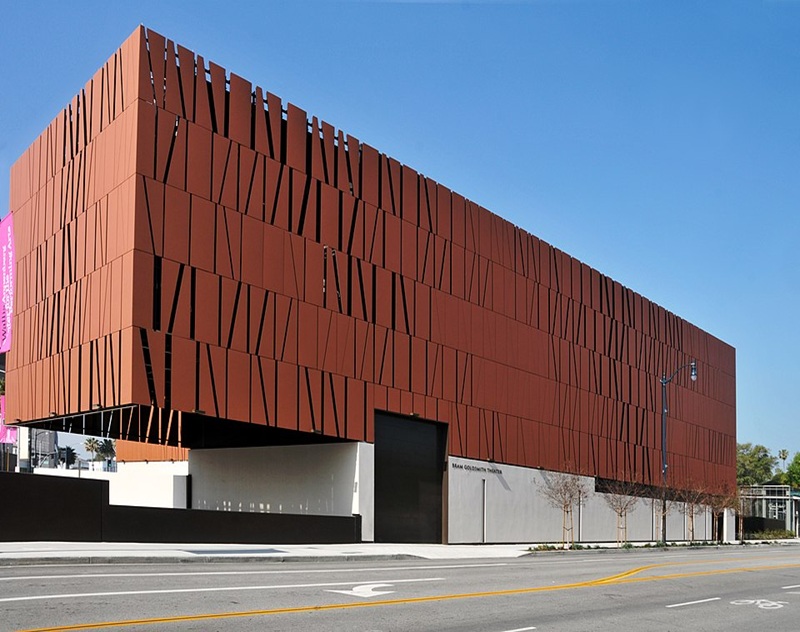
The Wallis restoration shows that Beverly Hills invests in its culture, not just its real estate.
Beverly Hills reinforces its relevance through ongoing civic investment in the arts. One example is The Wallis Annenberg Center for the Performing Arts. The project restored the historic 1933 Beverly Hills Post Office and added modern performance spaces by bringing theater, talks, and year-round programming into the heart of the city.
The city also supports public art. Through its Fine Art Program, Beverly Hills acquires and maintains works that enhance public spaces and reinforce its cultural identity.
WHY CULTURAL CAPITAL MATTERS IN LUXURY LIVING
Price alone doesn’t explain why Beverly Hills lasts. Plenty of cities command a premium but only a handful sustain long-term cultural importance. That’s how Beverly Hills separates itself from other high-priced destinations.
- Cultural capital sets Beverly Hills apart from other high-price markets.
- It creates long-term demand even through market changes.
- It supports legacy, prestige, and stability.
Many luxury markets offer beautiful homes, privacy, and premium amenities. Beverly Hills offers something deeper in the form of a cultural foundation built and refined over generations. Its architecture, institutions, and creative influence create the feeling that you’re stepping into a living ecosystem, not just purchasing square footage.
People are drawn to places that feel iconic for reasons beyond convenience or pricing. In Beverly Hills, legacy institutions, established design standards, and a consistent arts and social calendar reinforce its relevance year after year. Those elements help sustain demand even as markets fluctuate, because the appeal of life in Beverly Hills is rooted in more than the market.
In Beverly Hills, legacy is embedded in the environment. Preserved architecture, longstanding social customs, philanthropy, and continued creative influence give the city a prestige that doesn’t depend on the trend cycle.
The city evolves, but it retains its identity. That balance of continuity and relevance is what many high-net-worth buyers value most: stability, discretion, and long-term cultural significance.
|
WHERE CULTURE AND HOME MEET
Beverly Hills’ value lies in more than its properties. It’s in the culture, the connections, and the kind of life the city makes possible.
If you’re thinking about making Beverly Hills home, I’d be honored to guide you through it. With over $6 billion in career sales and decades of experience in this market, we have the knowledge and connections to help you find exactly what you’re looking for. Reach out to me, Joyce Rey, at 310.291.6646 or email me to learn more.


Browse our latest news and updates below