
![[ai_client_name]](https://joycerey.com/app/themes/joycereycom_2024/assets/images/site-logo-white.svg)

Beverly Hills real estate as a strategic hedge against shifting tax landscapes
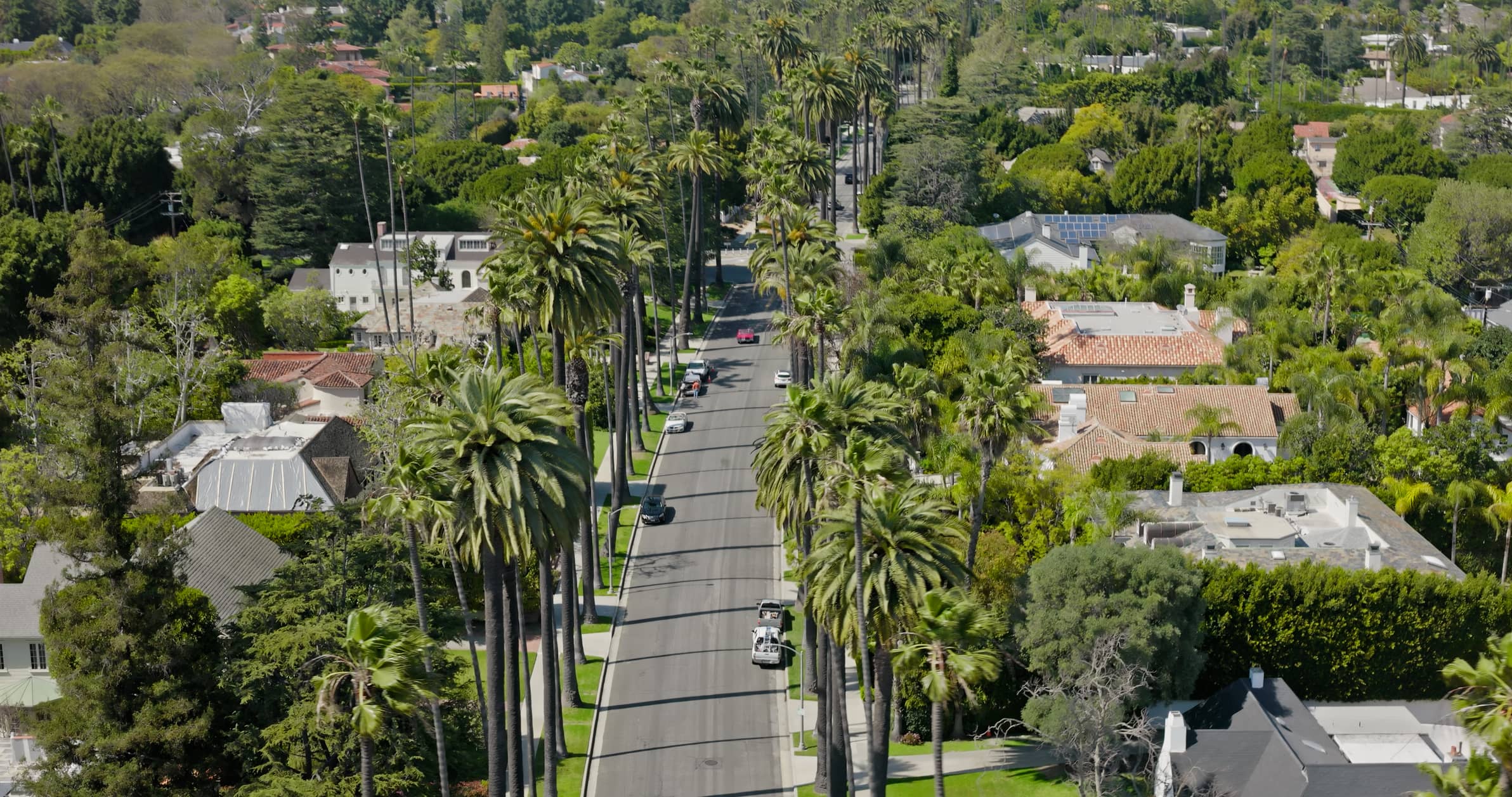
The right property can become a strategic asset, offering long-term value, flexibility, and a meaningful place within a larger wealth plan.
Tax policy has a way of turning even the most established portfolios into fresh conversations. As legislation evolves and wealth-planning priorities shift, many affluent Beverly Hills owners are taking a closer look at their ultra-luxury real estate holdings, not out of uncertainty alone, but out of strategy. For many families, these decisions now sit at the intersection of real estate, legacy planning, and UHNW financial planning.
Table of Contents
- Why recent legislation is prompting Beverly Hills owners to take a closer look
- How real estate can act as a hedge in a changing tax environment
- The strength of tangible, irreplaceable assets
- How strong is real estate as an inflation hedge?
- The flexibility of ownership
- When does it make sense to hold a prime Beverly Hills property?
- When selling or repositioning Beverly Hills luxury real estate may be smarter
Why recent legislation is prompting Beverly Hills owners to take a closer look
The current tax environment gives affluent owners good reason to review their Beverly Hills luxury real estate holdings.
- At the federal level, the One, Big, Beautiful Bill Act, which was signed into law on July 4, 2025, increases the basic estate and gift tax exclusion amount to $15 million for calendar year 2026.
- The state and local tax (SALT) deduction has also changed. The previous $10,000 SALT deduction cap was one of the most debated provisions of the 2017 tax law. Under the new federal legislation, the cap increased to $40,000 beginning in 2025, with additional rules and adjustments through 2029.
- In Los Angeles, local legislation is also part of the equation. Measure ULA, the city’s transfer tax on high-value real estate sales, applies within the City of Los Angeles and adds a 4% tax on transfers above $5.3 million and below $10.6 million, and a 5.5% tax on transfers of $10.6 million or more, in addition to the city’s base transfer tax.
How real estate can act as a hedge in a changing tax environment
Calling real estate a hedge doesn’t mean it’s immune to risk. It means that, under the right circumstances, it can help protect value when other parts of the financial landscape are shifting.
The strength of tangible, irreplaceable assets
Part of real estate’s strength comes from the nature of the asset itself. It can be lived in, improved, leased, refinanced, transferred, or held for the next generation. In the ultra-luxury market, the most desirable properties also have something that can’t be easily replaced: rare land in exceptional locations.
A gated estate in Beverly Hills, a view property in Bel Air, a compound in Holmby Hills, or an architectural residence in Malibu isn’t a commodity. In the world of Beverly Hills luxury real estate and other premier Los Angeles enclaves, value is shaped by privacy, setting, design, provenance, and the enduring demand for places that few others can own.
How strong is real estate as an inflation hedge?
Real estate has also long been viewed as a hedge against inflation. A 2025 international study published in The North American Journal of Economics and Finance found that real estate can be an effective long-term inflation hedge, though short-term performance depends on the property type and the broader economic environment.
Put simply, real estate shouldn’t be treated as a quick fix for every market shift. Its strength is usually found in patient ownership, asset quality, and timing.
The flexibility of ownership
One of real estate’s greatest advantages is the range of choices it can give an owner. A property can serve different purposes at different moments in life.
A primary residence may become a legacy asset. A secondary home may eventually become a full-time residence. An investment property may be exchanged for another asset. A family estate may be transferred, held in trust, renovated, leased, or sold depending on personal goals and tax considerations.
This flexibility matters when legislation changes. In California, Proposition 19 has already changed how many families think about inherited property, making real estate an important part of a broader California wealth tax strategy. The California State Board of Equalization explains that, under current rules, the parent-child and grandparent-grandchild exclusion is narrower than under prior law, with different treatment for principal residences and other real property.
For Beverly Hills and Los Angeles property owners, that means reviewing not only what they own, but how they own it and how it may be treated in a future transfer.
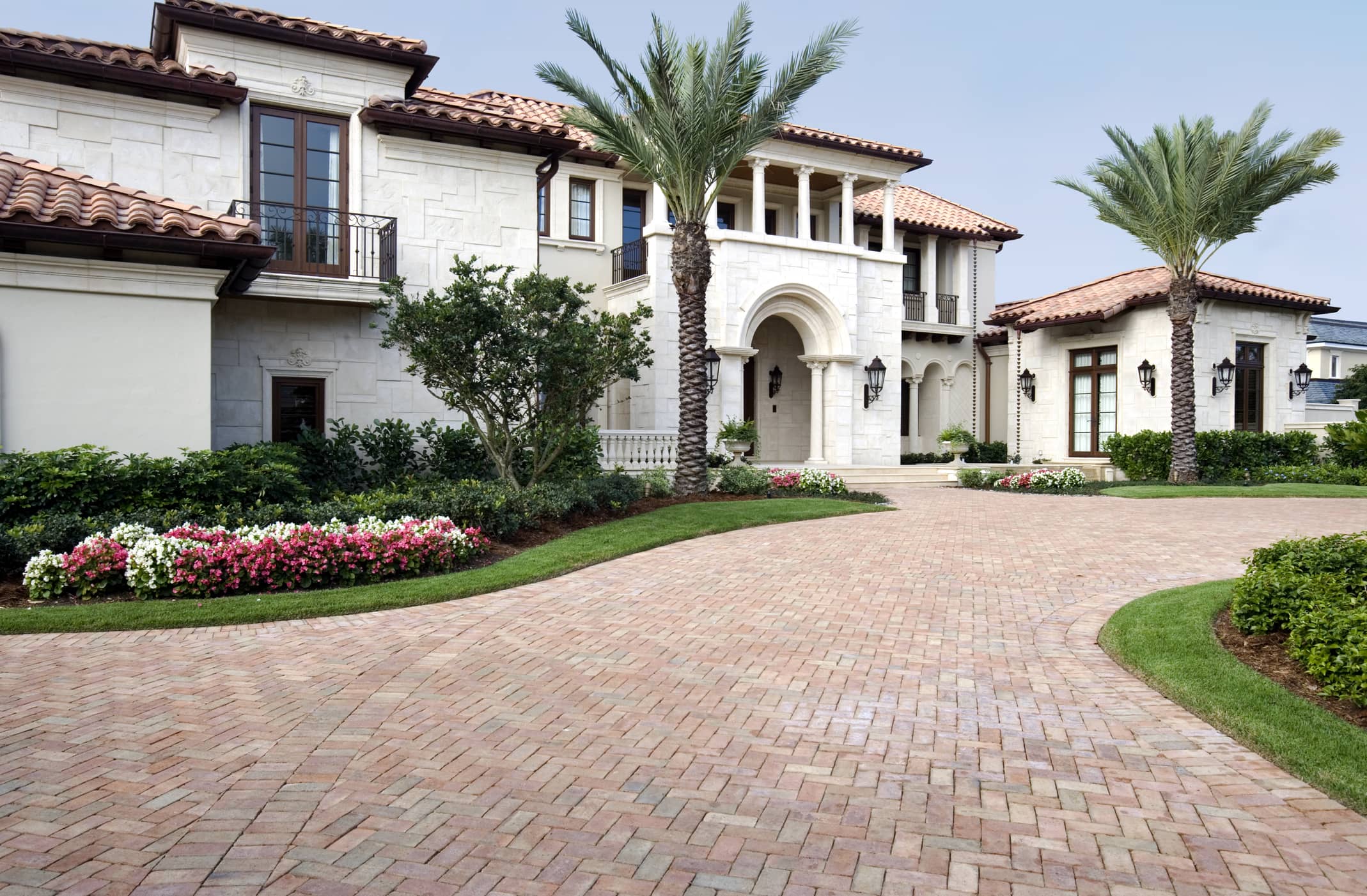
Prime real estate holds lasting appeal because it offers tangible value in exceptional locations.
When does it make sense to hold a prime Beverly Hills property?
Holding a prime property may still be the strongest decision, especially when the asset is rare, well-located, properly maintained, and aligned with the family’s long-term goals.
Holding may make sense when:
- The property is difficult to replace. A home in a rare location, with privacy, land, views, or architectural significance, may become harder to reacquire once sold.
- The family still uses and values the property. If the estate continues to serve as a primary residence, retreat, or gathering place, its personal value may be just as important as its market value.
- More time is needed for estate planning. Holding can give families the opportunity to review ownership structure, transfer strategies, and the next generation’s role before making a major decision.
- The property has income potential. In some cases, a home or investment property may be leased, allowing the owner to generate income while continuing to hold the asset.
- The market or tax environment is not ideal for selling. If selling would trigger significant taxes, transfer costs, or unfavorable timing, holding may provide room for a more deliberate strategy.
- The property can be improved or repositioned. Rather than selling immediately, some owners may choose to renovate, restore, or reposition the asset to strengthen its long-term value.
When selling or repositioning Beverly Hills luxury real estate may be smarter
There are also moments when selling, leasing, exchanging, or repositioning a property may be the more strategic move. This is often the case when the asset no longer serves the owner’s lifestyle, financial goals, or long-term family plan.
Selling or repositioning may make sense when:
- The property no longer fits the owner’s life. A home that once served a clear purpose may no longer match the owner’s current lifestyle, travel patterns, family needs, or privacy concerns.
- Carrying costs have become too high. Property taxes, insurance, staffing, maintenance, security, and repairs can all affect the long-term value of holding a major estate.
- The family wants to simplify its holdings. Some owners may choose to reduce the number of properties they maintain, especially if certain homes are rarely used or require significant oversight.
- The next generation may not want the responsibility. Heirs may value the property emotionally but may not want to manage, maintain, or pay for a large estate over time.
- New legislation changes the economics of ownership. Tax rules, transfer taxes, estate laws, and inheritance rules can all affect whether it makes more sense to hold, sell, transfer, or restructure ownership.
- The property has appreciated significantly. A strong increase in value may create an opportunity to unlock capital and redeploy it into other real estate, investments, charitable goals, or family priorities.
- The asset could perform better in another form. In some cases, a property may be renovated, leased, exchanged, or repositioned rather than sold outright, allowing the owner to preserve value while changing how the asset is used.
Frequently asked questions
|
Position your portfolio for what comes next
In a changing tax environment, ultra-luxury real estate deserves a closer and more thoughtful review. A significant property may still be the right asset to hold, or it may be time to consider a sale, transfer, lease, renovation, or repositioning.
Since these decisions are deeply personal, they’re rarely made well in haste. My job is to help clients understand the choices in front of them with discretion, perspective, and a clear view of the luxury market.
Let’s discuss the role of Beverly Hills luxury real estate in your portfolio. Give me, Joyce Rey, a call at 310.291.6646. You can also send me an email here.


Browse our latest news and updates below