![[ai_client_name]](https://joycerey.com/app/themes/joycereycom_2024/assets/images/site-logo-white.svg)

How the proposed California Billionaires Tax and global volatility are influencing the Los Angeles market
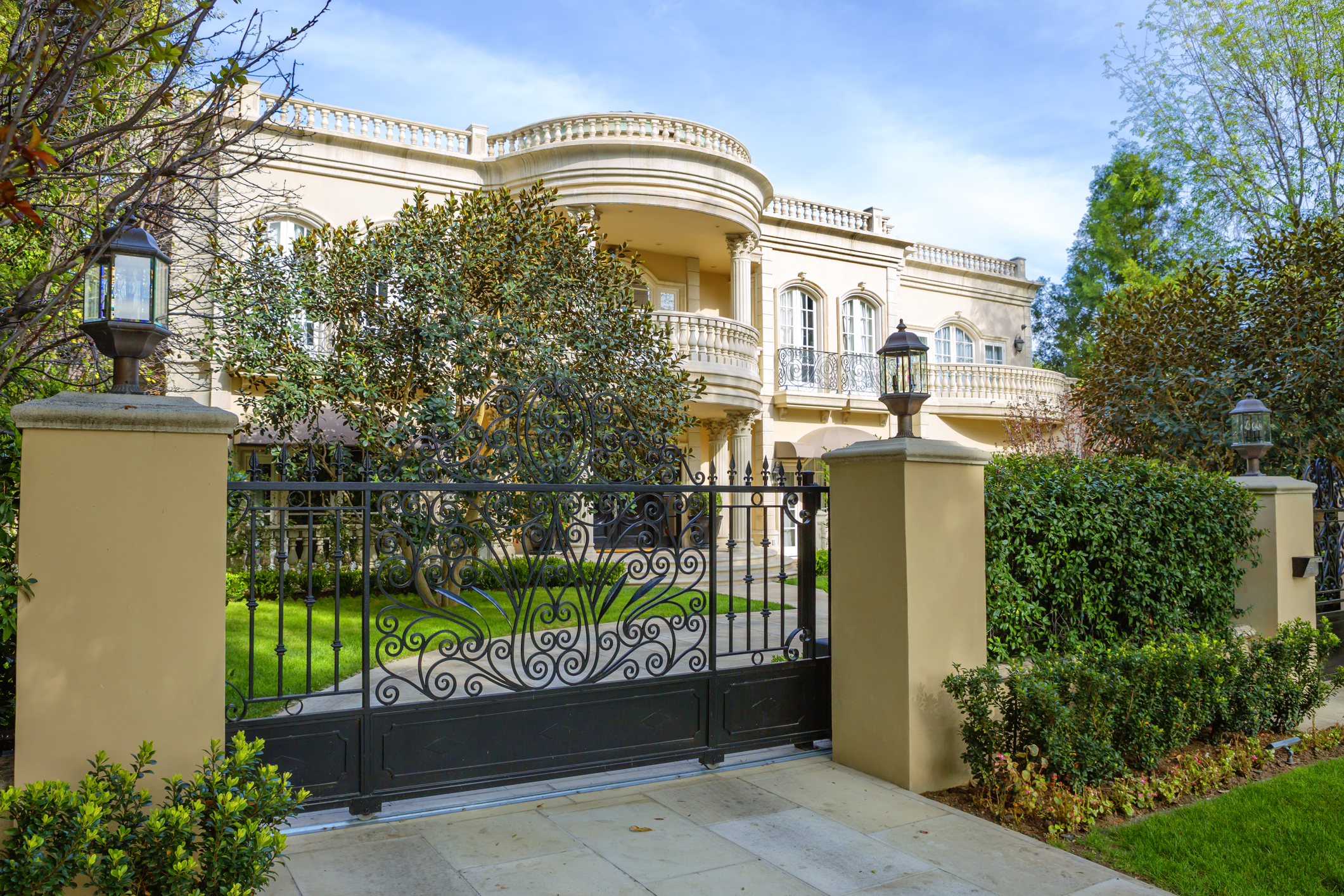
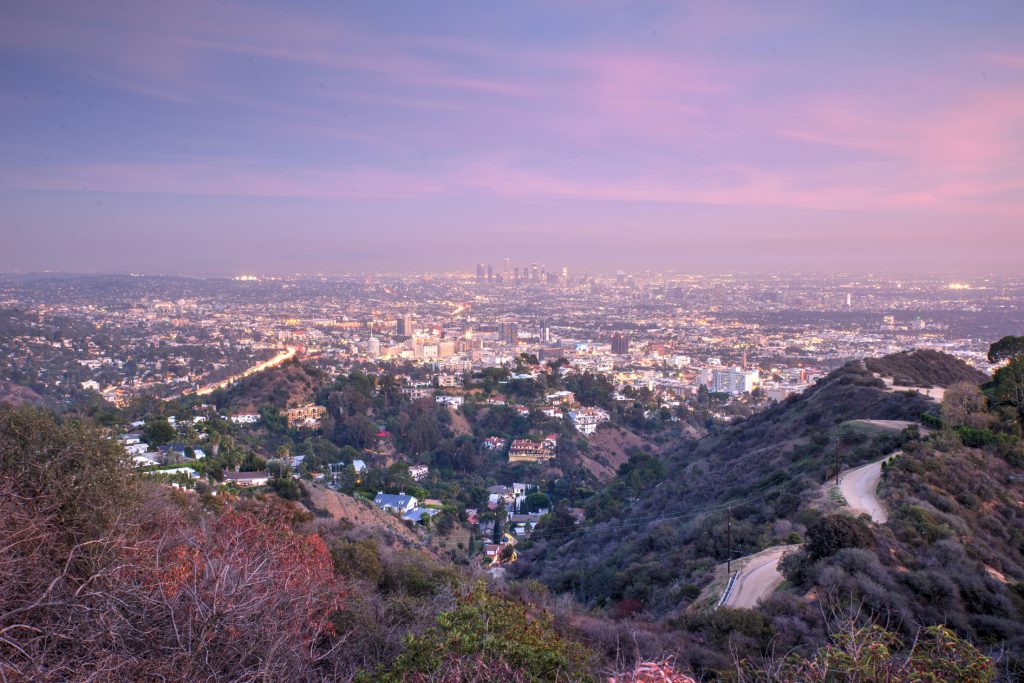
As tax policy and global uncertainty shape buyer decisions, Beverly Hills luxury real estate remains defined by rarity, privacy, and long-term value.
A lot of luxury buyers are not saying no to Los Angeles. They’re saying, “not yet.” What the market is experiencing right now is more of an UHNW market pause than a retreat. At this level, affluent buyers are tracking multiple pressures simultaneously: the proposed California Billionaires Tax, Measure ULA, interest rates, global unrest, rising insurance costs, and shifting tax policy in competing wealth centers. Waiting feels like the rational move.
But in Los Angeles, waiting carries its own risk. At the highest end of the market, the better question is rarely about price—it’s about availability. Will the right property still be there when you’re ready to move?
Table of Contents:
- What should buyers understand about the proposed California Billionaires Tax?
- How is global volatility making luxury buyers more selective?
- Why the market conversation is moving from price to rarity
- How international buyers view the Los Angeles ecosystem
- What sidelined buyers should consider before stepping back
- Frequently asked questions
- Navigating a changing luxury landscape
Key takeaways
|
What should buyers understand about the proposed California Billionaires Tax?
The proposed California Billionaires Tax has become a central part of the conversation for ultra-high-net-worth buyers, sellers, family offices, and wealth advisors. As described by the California Secretary of State, the proposed initiative would impose a one-time tax of up to 5% on certain individuals and trusts with covered assets valued over $1 billion.
For the majority of high-end home buyers, this tax wouldn’t apply directly. However, the California Billionaires Tax impact is still shaping market sentiment, especially for buyers and sellers evaluating residency, estate planning, ownership structures, asset liquidity, and the long-term direction of California tax policy.
How is global volatility making luxury buyers more selective?
The proposed tax is only one part of a much broader global picture. International and domestic buyers are currently navigating currency fluctuations, geopolitical tensions, changing interest-rate expectations, and political uncertainty in other major metropolitan hubs. London, Hong Kong, Dubai, New York, Miami, and Los Angeles are frequently part of the same conversation for wealthy families deciding where to live, invest, or maintain a meaningful base.
In this kind of economic climate, tangible real estate continues to offer a sense of stability that volatile equities and digital assets can’t match. A primary or secondary estate can be lived in, improved, leased, held, or passed down through generations. However, a famous address or a high price tag is no longer enough on its own to command immediate capital. Buyers are looking more carefully at whether a property actually earns its place in their portfolio and in their lives.
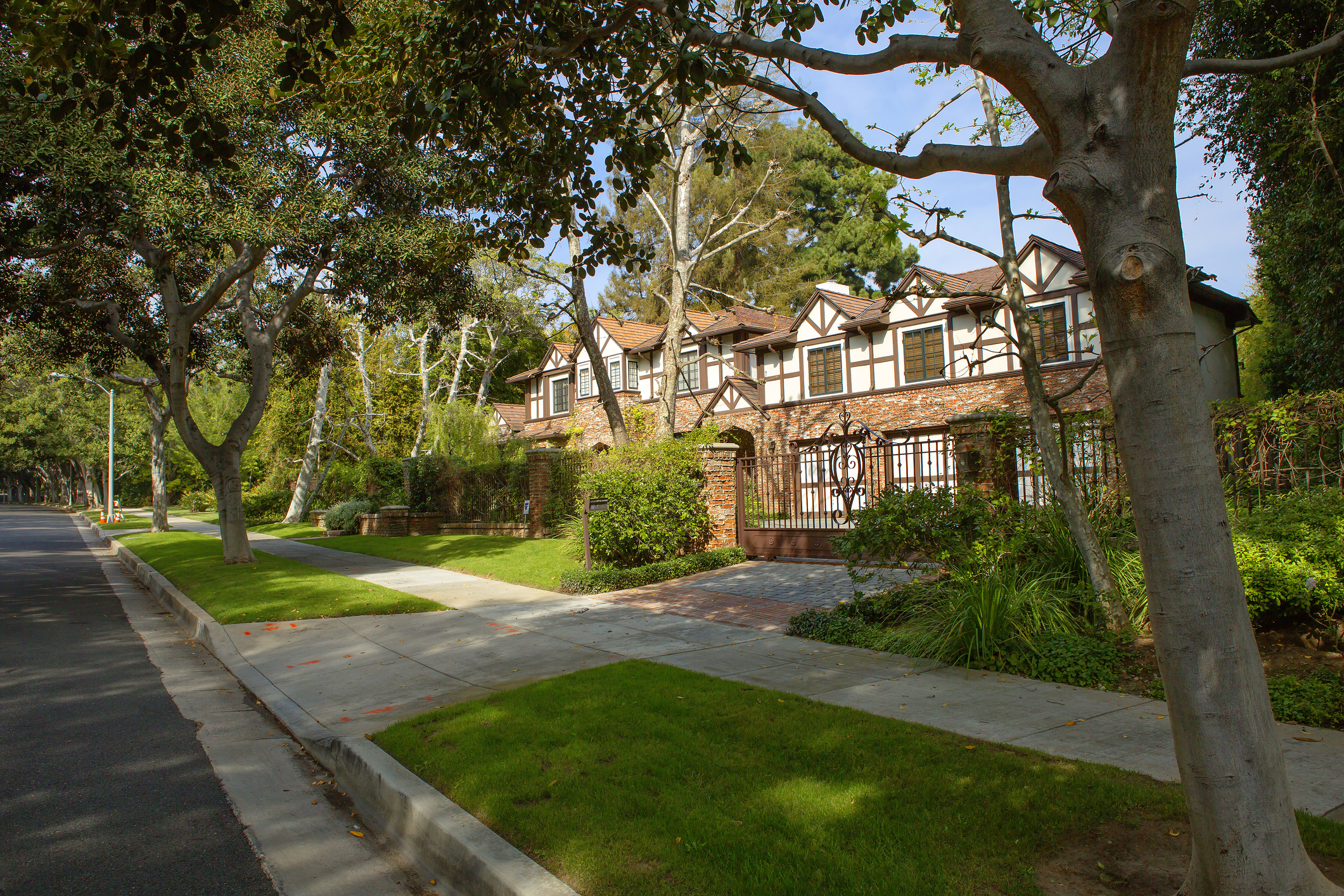
If you wait, will you find more opportunities, or fewer?
Why the market conversation is moving from price to rarity
Buyers on the sidelines often focus heavily on price. They want to know if prices will soften, if sellers will become more flexible later, or if there will be more room to negotiate. While no buyer wants to overpay—especially in a market shaped by taxes, interest rates, and global uncertainty—price is only one metric of value in the Los Angeles luxury market.
Rare properties don’t move like ordinary inventory
The rarest homes hold their value because of attributes that can’t be recreated: acreage, panoramic views, historical significance, architectural pedigree, and prime location. A property with the right combination of these factors in Bel Air, Beverly Hills, Holmby Hills, or Malibu isn’t competing with dozens of similar options. It exists in a marketplace of one.
The real cost of waiting
Patience makes sense if a buyer has not found the right property, or if they are actively sorting out tax planning, corporate location, or family needs. However, holding out solely because you expect every rare estate to become less expensive is a different kind of risk. The right home may not come back on the market for years. When it does, it will likely attract the same group of serious buyers who recognized its fundamental value the first time.
How international buyers view the Los Angeles ecosystem
While some local buyers are weighing California’s taxes, insurance costs, and regulations more closely. International and out-of-state buyers often look at Los Angeles through a much wider lens.
For these buyers, Los Angeles isn’t just being compared with regional alternatives like Orange County or Santa Barbara. It is being measured against global destinations like London, Monaco, Dubai, Hong Kong, New York, or Miami. From that global perspective, Southern California continues to offer a rare mix of expansive land, ideal climate, diverse culture, privacy, and economic relevance.
Data from Realtor.com indicated that international demand for Los Angeles luxury homes reached 18.2% by the end of December 2025 before normalizing in early 2026. While this doesn’t mean every buyer is rushing into a transaction, it demonstrates that Los Angeles remains a core pillar in the global wealth conversation, even during periods when local buyers show greater caution.
What sidelined buyers should consider before stepping back
If you are currently waiting on the sidelines for a shift in the market, it is important to evaluate your strategy against the realities of the upper-tier market. Consider these four questions:
- Is the property actually rare, or is it replaceable? Some homes are beautiful but can be duplicated next season or built in another neighborhood. Others possess a combination of acreage, historical provenance views, and specific location that can’t be matched. If the property is truly irreplaceable, the decision to purchase becomes much more time-sensitive.
- How often do homes of this caliber become available? In the upper echelons of the Los Angeles market, trophy properties frequently stay in the same hands for decades. When an estate of historic or architectural significance is listed, you should consider the likelihood of a comparable opportunity appearing within the next 5 to 10 years.
- Does the property support your lifestyle today? The right estate should do more than diversify an asset portfolio; it should actively enhance your daily life. Whether that means providing a secure family compound, offering space for grand-scale entertaining, or positioning you close to your essential business hubs, the immediate utility of a home is a major factor in its return on investment.
- Will waiting create more options, or fewer? Waiting is a wise strategy when it brings clarity to your personal or financial planning. However, if you are delaying a purchase solely in anticipation of a lower price on a unique estate, you may lose access to a property that will not be available again in your lifetime.
Frequently asked questions
|
Navigating a changing luxury landscape
If you’re watching the Beverly Hills luxury real estate market from the sidelines, seasoned guidance can help you discern when patience is your best asset and when a rare opportunity is worth a closer look.
Discuss current market dynamics or explore exceptional off-market opportunities with me, Joyce Rey, at 310.291.6646. You can also send me an email here.


Browse our latest news and updates below