
![[ai_client_name]](https://joycerey.com/app/themes/joycereycom_2024/assets/images/site-logo-white.svg)

The anatomy of an ultra-luxury transaction from due diligence to closing
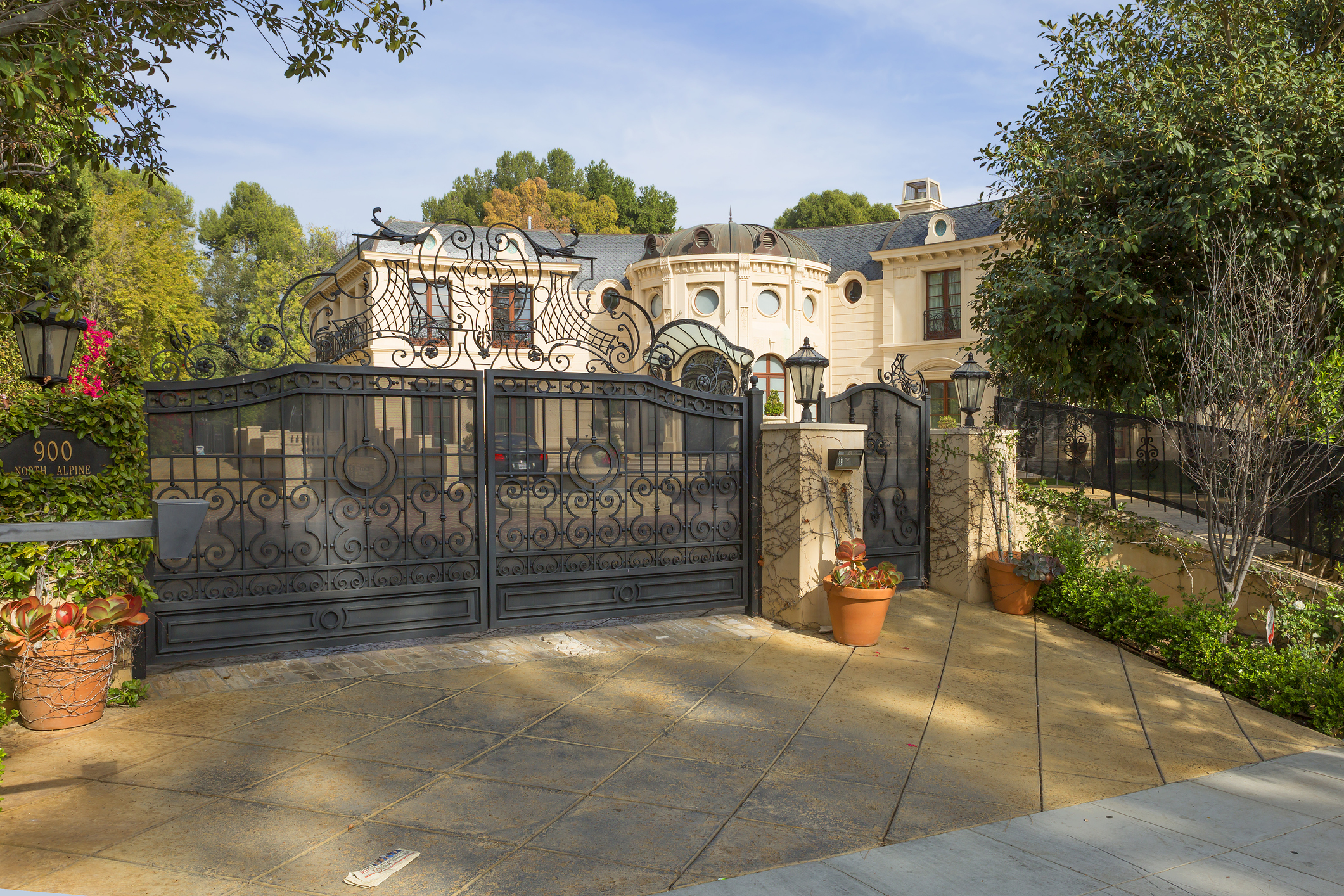
Behind every luxury home purchase is a careful process that begins long before closing.
An accepted offer is only the beginning of a $20 million-plus home purchase. Once you place a trophy property under contract, the focus immediately shifts to confirming the physical integrity of the estate, auditing complex legal records, and navigating financial requirements designed for high-net-worth acquisitions. A transaction at this level brings together private wealth advisors, legal counsel, and specialized field experts. Managing these moving parts requires precision, hyper-local expertise, and an unwavering commitment to protecting your capital, time, and privacy, security, and amenities.
Here is what occurs between contract ratification and the day you receive the keys in Beverly Hills luxury real estate.
Table of Contents
What happens once a $20M+ property in Beverly Hills luxury real estate is under contract?
The purchase agreement establishes the legal framework and contractual deadlines for your transaction.
Early in luxury real estate escrow, you and your advisory team must establish a master calendar covering earnest money deposit transfers, specialized inspections, document reviews, financing schedules when applicable, contingency removals, the final walkthrough, and deed recording.
The contract governs far more than the land and walls
With a highly customized residence in enclaves like Trousdale Estates, The Flats, or the Beverly Hills Post Office (BHPO) area, the agreement addresses details that rarely arise in standard sales:
- Curated furnishings and antiques: Specifying whether bespoke furniture, imported chandeliers, or site-specific art installations convey with the property.
- Technology infrastructure: Clarifying ownership of proprietary smart-home servers, Crestron or Lutron automation processors, and security system hardware.
- Post-closing occupancy: Outlining specific leaseback terms or occupancy arrangements if the seller requires additional transition time post-closing.
Estates with extensive wine cellars, commissioned sculptures, or specialized security installations require clear bill-of-sale addenda to avoid ambiguity regarding conveyed property.
Due diligence: Looking beyond the general inspection
For expansive, historic, or custom compounds, high-end home inspections must go well beyond standard residential property assessments. Estates of this scale feature commercial-grade infrastructure and unique parcel topographies that require certified technical specialists.
Depending on the residence, your inspection strategy should engage structural engineers, master roof consultants, commercial pool contractors, geotechnical engineers, certified arborists, elevator technicians, and home-automation integrators.
| Estate Component | Specialist Required | Core Focus Areas |
|---|---|---|
| Foundations and slopes | Geotechnical engineer | Soil compaction, caissons, retaining structures, subterranean drainage |
| Structural frame | Structural engineer | Seismic retrofitting, load-bearing capacities, steel/framing integrity |
| Roofing and envelope | Slate / tile specialist | Waterproofing membranes, flashing, custom tile or copper work |
| Water features and pools | Commercial pool contractor | Vaulted mechanics, infinity-edge balance tanks, heating capacities |
| Landscape architecture | Certified arborist | Health and preservation of specimen trees, root system proximity |
Inspecting the entire compound
A comprehensive audit evaluates every auxiliary structure and mechanical installation across the property grounds:
- Guest or staff residences
- Pool houses and outdoor kitchens
- Tennis courts or other sports facilities
- Pools, spas, and water features
- Gates and security systems
- Garages and motor courts
- Wine storage
- Wellness spaces
- Generators and backup power
- Extensive landscaping and irrigation
- Smart-home and audiovisual systems
Every specialized feature represents distinct operational schedules and future maintenance commitments. Identifying these items during the contingency period allows you to understand the long-term management requirements before committing to ownership.
Matching scrutiny to topography and architecture
A hillside residence in Trousdale Estates demands a different analytical scope than a flat parcel in The Flats. On a hillside site, slope stability, caissons, subterranean draining, and retaining structures require rigorous geotechnical verification. Near canyon corridors, moisture exposure and soil movement require specialized review.
For historic residences—such as those designed by Paul R. Williams, Wallace Neff, or A. Quincy Jones—inspectors must evaluate period construction against modern building codes. For recent builds or comprehensive renovations, you must confirm whether subterranean utility capacities were upgraded along with visible finishes.
Joyce’s takeaway
The goal of due diligence is not to find a property without flaws—rarely does an estate exist without them. The objective is to acquire complete clarity regarding its physical state so you can make informed decisions during negotiations.
What can the records tell you?
Physical inspections assess current operational health, but public records and preliminary title reports expose potential legal and regulatory liabilities.
Auditing municipal permits and approvals
Major additions, guest houses, cabanas, pools, retaining walls, and renovations should be cross-referenced with records from the City of Beverly Hills Department of Building and Safety. For an estate that has evolved over several decades, verifying that all historic work was properly permitted, inspected, and issued final certificates of occupancy protects you from inheriting compliance liabilities.
Examining preliminary title reports
A preliminary title review identifies recorded liens, easements, encumbrances, and other matters that may affect ownership or future use. On an expensive Westside compound, title analysis focuses on critical operational questions:
- Does an easement cross the property?
- Who has access to a private road?
- Does a wall follow the actual property line?
- Are there historical preservation covenants or local zoning overlay restrictions limiting future architectural changes?
California’s Department of Insurance also notes that certain extended title policies may cover some off-record easements, encroachments, and boundary conflicts that standard coverage doesn’t address. Your legal counsel should review these commitments prior to contingency removals.
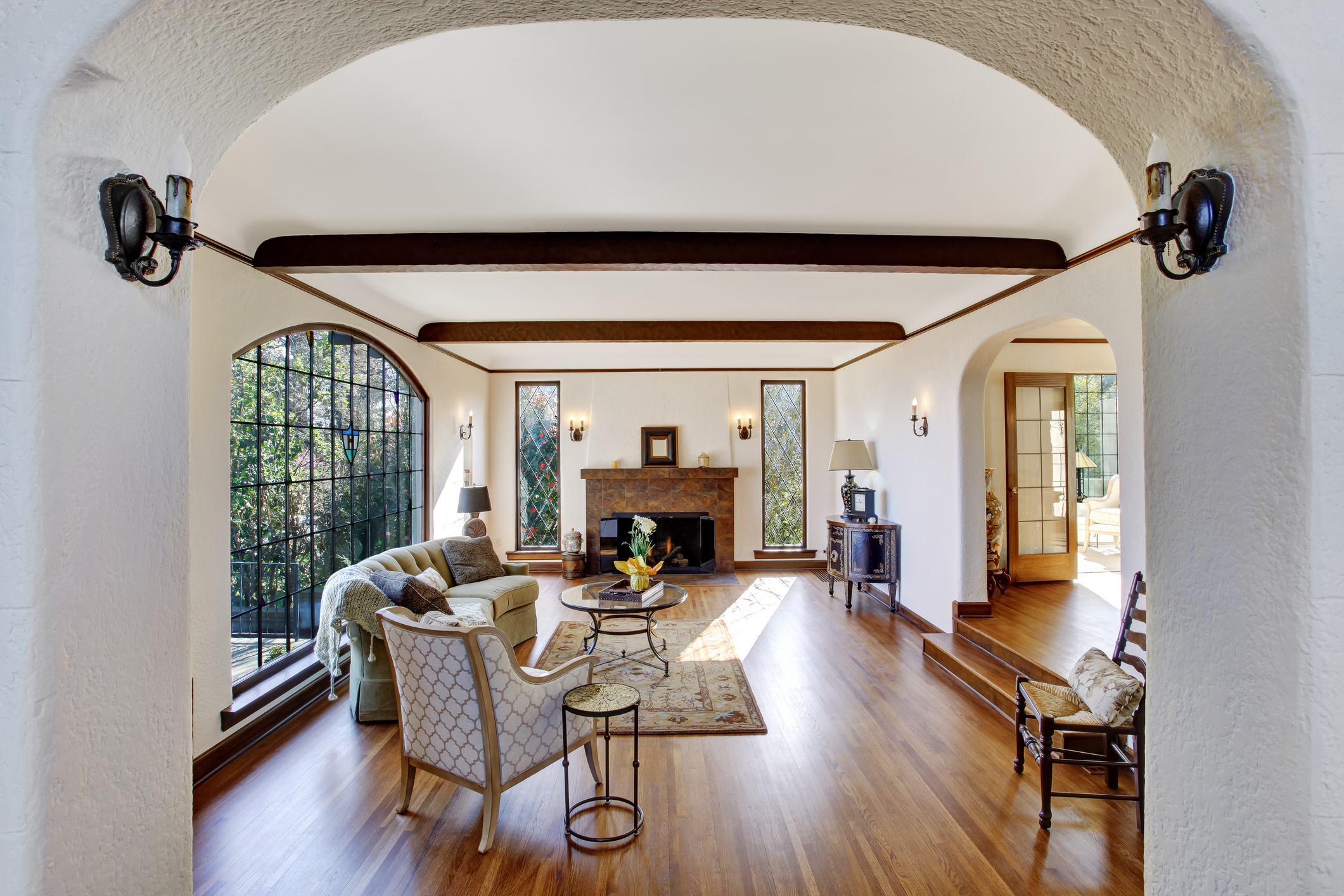
Due diligence takes a closer look at the details that may not be obvious at first glance.
What happens when an inspection finds a problem?
Even beautifully maintained estates yield findings during technical inspections. A roof membrane may approach the end of its functional life, subterranean draining lines may require clearing, or pool mechanics may benefit from modern efficiency upgrades.
When issues are identified, you and your advisors assess:
- Severity: Is the item a structural or safety concern, or routine maintenance?
- Remediation: What is the estimated expenditure and timeline for correction?
- Operational impact: Does the condition affect how you plan to enjoy or modify the estate?
Depending on contract terms, options include seller-completed repairs prior to closing, financial closing credits, purchase price adjustments, or proceeding with the property in its current condition.
What actually happens in escrow?
A luxury real estate escrow serves as the neutral clearinghouse for funds, legal instruments, and transactional performance. In California, the escrow officer holds funds and executes documentation, releasing them only when every contractual condition established by both parties is satisfied.
Behind the scenes, escrow officers coordinate with title underwriters, wealth managers, legal representatives, and insurance brokers to ensure clear title transfer and compliance with local regulations.
Closing and property handover
Ownership officially changes hands once the grant deed is recorded with the Los Angeles County Registrar-Recorder/County Clerk. At that point, you assume legal ownership and take possession according to your agreement.
For a high-value estate, the closing process extends beyond receiving physical keys. It involves transferring complete control of physical and digital security infrastructure:
- Primary, gated, and sub-entry pass
- Master smart-home admin passwords
- Alarm and perimeter security codes
- Motor court transmitters and FOBS
- Equipment warranties and manuals
- Vendor and estate staff contacts
- Architectural plans and permit files
Local transfer taxes and tax structure
Closing calculations incorporate local documentary transfer taxes. Property transfers in the City of Beverly Hills are subject to the standard Los Angeles County documentary transfer tax ($1.10 per $1,000 of transfer value).
Crucially, because Beverly Hills is an independent municipal city, property transfers here are completely exempt from the City of Los Angeles Measure ULA transfer tax (which levies an additional tax of 4% on transfers over $5.4 million and 5.5% on transfers of $10.9 million or greater within Los Angeles city limits).
This exemption provides a distinct tax structure advantage when you acquire property within Beverly Hills city limits compared to adjacent Los Angeles municipal neighborhoods like Bel Air, Holmby Hills, or Brentwood.
Frequently asked questions
-
How long does due diligence take on an ultra-luxury home?
There’s no standard timeline. The property, contract, number of specialists involved, financing, and any issues uncovered during inspections can all affect how long the process takes. -
Does a $20M+ home need more than a standard inspection?
Often, yes. A large estate may have specialized structures, systems, or site conditions that fall outside a general inspector’s expertise. The right specialists depend on the property. -
What can delay an ultra-luxury closing?
Unresolved inspection findings, title concerns, insurance, financing, missing documents, or contractual obligations that haven’t been completed can all affect the schedule. Addressing these issues early gives the parties more time to resolve them before closing.
From contract to closing
Executing a seamless acquisition requires structured due diligence, rigorous oversight of escrow procedures, and experienced advisory leadership every step of the way.
If you are considering acquiring Beverly Hills luxury real estate, connect with me, Joyce Rey. Since beginning my real estate career in 1974, I’ve represented buyers and sellers across more than $6 billion in personal career sales, bringing unmatched expertise to high-end estate transactions.
Give me a call at 310.291.6646 or send me an email here to begin a conversation.


Browse our latest news and updates below